Personal Injury
Breathtaking colors of our planet
Learn More →

Medical Negligence
Portraits of people from around the globe
Learn More →

Family Law
Stark beauty of desolate dunes
Learn More →







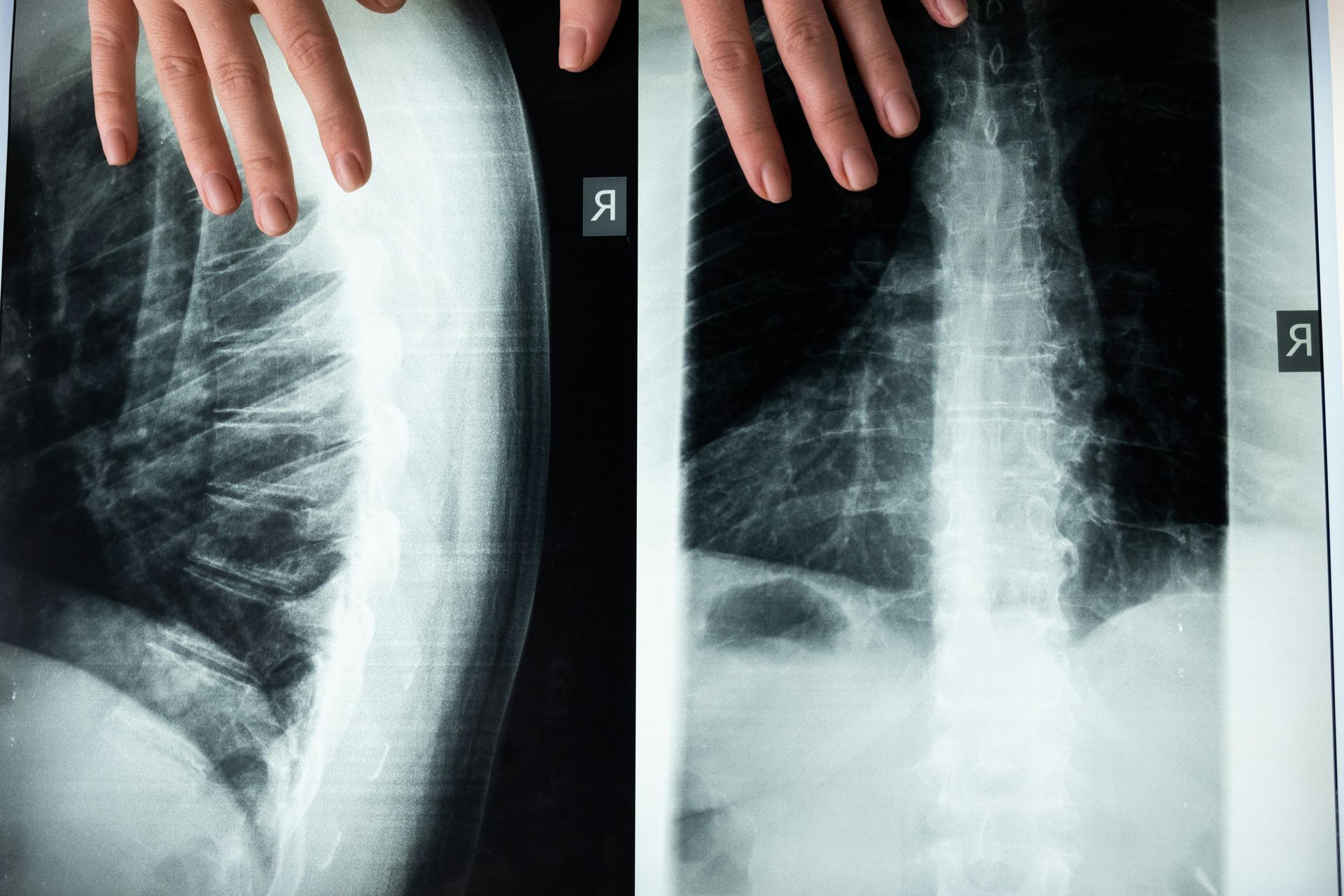
Receiving the wrong diagnosis, or having a serious condition missed entirely, can have significant consequences for a patient’s health and wellbeing. In some cases, a delayed or incorrect diagnosis may allow a medical condition to worsen unnecessarily, leading to additional treatment, long term complications or avoidable harm. Medical professionals are expected to provide patients with an appropriate standard of care. When a healthcare provider fails to correctly diagnose a condition and this causes injury or harm, a person may be entitled to pursue a medical misdiagnosis claim. What Is Medical Misdiagnosis? Medical misdiagnosis occurs when a doctor or healthcare professional: Diagnoses the wrong condition Fails to diagnose a condition entirely Delays diagnosis unnecessarily Fails to refer a patient for further investigation or specialist treatment Not every incorrect diagnosis amounts to medical negligence. However, where the standard of care falls below what would reasonably be expected and this causes avoidable harm, a legal claim may arise. Common Examples of Medical Misdiagnosis Medical misdiagnosis claims can involve a wide range of conditions and illnesses, including: Cancer Misdiagnosis Failure to diagnose cancer at an early stage may delay treatment and significantly affect recovery outcomes. Heart Attack or Stroke Misdiagnosis Symptoms of heart attacks or strokes may sometimes be mistaken for less serious conditions, leading to dangerous delays in treatment. Fractures and Orthopaedic Injuries This will link to the new LP Broken bones, spinal injuries or joint damage may be overlooked or incorrectly assessed, causing ongoing pain or mobility issues. Infections and Illnesses Failure to identify serious infections or illnesses may result in complications that could otherwise have been avoided with timely treatment. Neurological Conditions Conditions affecting the brain, spine or nervous system may worsen if diagnosis and treatment are delayed. How Can a Misdiagnosis Affect a Patient? The effects of a medical misdiagnosis can vary depending on the nature of the condition and the length of the delay in treatment. Patients may experience: Worsening symptoms or illness Delayed access to proper treatment Additional surgery or medical procedures Long term health complications Chronic pain or disability Psychological distress and anxiety In serious cases, delayed diagnosis can have life-changing consequences. Investigating a Medical Misdiagnosis Claim Medical misdiagnosis claims often require detailed legal and medical investigation. Solicitors may review: Medical records and scans Test results and referrals Hospital or GP documentation Independent expert medical opinions The purpose of the investigation is to determine whether the diagnosis provided fell below an acceptable medical standard and whether this directly caused harm to the patient. Compensation in Medical Misdiagnosis Claims Where a claim is successful, compensation may cover: Pain and suffering Medical treatment expenses Rehabilitation costs Loss of earnings Future care and treatment needs Psychological support or counselling The level of compensation will depend on the seriousness of the injury and its long term impact. Get Legal Advice Medical misdiagnosis claims can be complex, particularly where extensive medical evidence is required. Getting legal advice at an early stage can help preserve evidence and ensure your rights are protected. The experienced team at Carvill Rickard Solicitors provides legal advice to individuals affected by delayed, incorrect or missed diagnoses. If you believe you have suffered harm due to a medical misdiagnosis, contact Carvill Rickard Solicitors today to arrange a confidential consultation and discuss your legal options.

What Is a Medical Negligence Claim? A medical negligence claim arises when a doctor, hospital, nurse or other healthcare professional fails to provide an acceptable standard of care, resulting in injury, illness or harm to a patient. Not every medical complication or unsuccessful treatment amounts to negligence. To pursue a claim, it must generally be shown that the medical provider acted negligently and that this directly caused avoidable harm. Medical negligence claims can arise in a wide range of healthcare settings, including hospitals, GP surgeries, dental clinics and nursing homes. Common Examples of Medical Negligence Medical negligence claims may involve: Misdiagnosis or delayed diagnosis Surgical mistakes Medication or prescription errors Birth injuries Failure to provide appropriate treatment Dental negligence Failure to obtain informed consent These issues can sometimes result in worsening medical conditions, chronic pain, additional treatment requirements or long term complications. How Medical Negligence Claims Are Investigated Medical negligence claims are often complex and require detailed medical evidence. Solicitors may review: Medical records Hospital documentation Expert medical opinions Evidence of financial losses and ongoing treatment needs The purpose of the investigation is to determine whether the standard of care fell below what would reasonably be expected and whether this caused the patient’s injury. Compensation in Medical Negligence Claims If a claim is successful, compensation may cover: Pain and suffering Medical expenses Loss of earnings Rehabilitation costs Future care needs The amount awarded will depend on the seriousness of the injury and its long-term impact on the individual’s life. Time Limits for Medical Negligence Claims in Ireland In most cases, medical negligence claims must be brought within two years from the date the injured person became aware of the negligence and resulting injury. Seeking legal advice as early as possible is important to protect your rights and preserve relevant evidence. Medical negligence claims can involve both legal and medical complexity. An experienced solicitor can assess your circumstances, explain the claims process and advise whether you may be entitled to pursue compensation. Contact Carvill Rickard Solicitors If you believe you have suffered harm due to negligent medical treatment, it is important to seek legal advice as early as possible. The experienced team at Carvill Rickard Solicitors can assess your circumstances, explain your legal options and guide you through every stage of the medical negligence claims process. Contact Carvill Rickard Solicitors today to arrange a confidential consultation and discuss your potential claim.

If you’ve been told that the Injuries Resolution Board (IRB) has declined to assess your claim, it can be frustrating and confusing. Many people assume this means their case is over, but that is not necessarily true. A decision to decline an assessment often means the Injuries Resolution Board cannot value the claim at that stage or that the claim is not suitable for assessment through the IRB process. In many cases, it simply means the next step may be to proceed through the courts instead. Our experienced personal injury solicitors can explain what this decision means, advise you on your options and help you take the right next step without delay. What Does “Declined to Assess” Mean? When the Injuries Resolution Board declines to assess a claim, it means the Board is not issuing an award or valuation for compensation. This can happen for a number of reasons, and the reason will usually be set out in the decision you receive. It is important to understand that this is not the same as your claim being rejected outright and it does not necessarily mean your case has no value. Instead, it usually means the claim cannot be dealt with by the Injuries Resolution Board process and may need to be progressed in a different way. Because deadlines may still apply, it is strongly recommended to get legal advice quickly once you receive a “decline to assess” decision. Why Would the Injuries Resolution Board Decline to Assess? There are several reasons the Injuries Resolution Board may decline to assess a claim. In some cases, the claim may involve issues the Board cannot resolve through an assessment process. This can include situations where the facts are disputed, where more detailed evidence is required or where the claim is not considered suitable for valuation under the usual assessment process. Sometimes, it can also happen if the medical evidence is not sufficient to allow an assessment or if further documentation is needed. In other cases, the claim may relate to circumstances that are better dealt with through court proceedings rather than by way of an IRB award. Whatever the reason, it is important not to ignore the decision or assume there is nothing else you can do. The right legal advice can help you understand whether your claim can still proceed and what steps you should take next. What Happens After the Injuries Board Declines to Assess? If the Injuries Resolution Board declines to assess your claim, you will typically receive an authorisation that allows you to issue court proceedings, provided your claim is still within the legal time limits. This is a key part of the process, because in many cases it allows the matter to move forward outside the IRB system. At this stage, your claim may progress towards negotiation, settlement discussions or court proceedings, depending on the facts of the case. Many cases settle without needing a full hearing, but it is important to prepare your case properly from the beginning to protect your position. We can guide you through each step and explain what to expect, including timelines, potential outcomes and the best strategy for your situation. Can You Still Claim Compensation? Yes, in many cases you may still be able to pursue compensation even after the Injuries Resolution Board declines to assess. The key issue is understanding why the claim was declined and what route is available to move it forward. Some cases require court proceedings because there is a disagreement about liability or because the circumstances of the accident are more complex. Other cases may require additional evidence to support the claim and strengthen your position before progressing. Our solicitors will review the facts, explain where you stand, and advise you on the strongest next step to take. How Carvill Rickard Can Help? We assist clients throughout Ireland with personal injury claims arising from road traffic accidents , workplace injuries , accidents in public places , slips and trips, and other injuries caused by negligence. When a claim is declined by the Injuries Resolution Board, it is especially important to handle the next step correctly. We will review your documentation, advise you on the best way to proceed, and support you through negotiations or court proceedings if required. No two cases are the same, and we take a careful and personal approach to every client’s situation. Talk to a Solicitor About Your Declined IRB Claim If the Injuries Resolution Board declined to assess your claim, you don’t have to face the next steps alone. The right advice now can make a real difference to the outcome of your case. Contact our team today for straightforward advice on what your decision means and what you should do next.

If you have received an Injuries Resolution Board (IRB) assessment, it is important to fully understand what the award means before you make any decision. Many people feel unsure at this stage of the process, particularly when they are under pressure to respond within a limited timeframe. Carvill Rickard provides clear, practical advice on IRB awards and assessments, helping you decide whether you should accept the award or whether it may be appropriate to reject it and take the next step in your claim. We take the time to explain your options in straightforward terms, so you can make a decision with confidence. Understand Your IRB Award Before You Accept The Injuries Resolution Board plays an important role in personal injury claims in Ireland. It provides an independent assessment of compensation for many types of injury claims, based on the documentation and medical evidence submitted. When the Board issues an award, it can feel like the process is nearly finished. However, receiving an assessment does not mean you must accept it. The amount offered may not fully reflect the true impact of your injury, especially where your recovery is ongoing, your symptoms have not yet settled or you are still attending appointments and treatment. Before you respond, it is worth speaking with a specialist solicitor who can review the award and explain whether it is in line with what you might reasonably expect based on the nature of your injuries. What Is an Injuries Resolution Board Award? An IRB award, also called an assessment, is the Board’s valuation of compensation for your personal injury claim . It is based on the medical reports provided and the level of injury described. The assessment is calculated using the Personal Injuries Guidelines, which are used to place injuries into different categories and value bands. The award generally relates to what is often described as general damages, meaning compensation for pain, suffering and the effect the injury has had on your everyday life. Depending on the case, it may also take account of factors such as how long you were affected by the injury and whether any long term limitations are expected. While the Board’s assessment is an important reference point, it does not always reflect the full practical reality of how an injury has impacted someone’s work, home life and wellbeing. For that reason, it is often helpful to get tailored advice before deciding how to respond. Should You Accept or Reject Your IRB Assessment? One of the biggest decisions you will face is whether to accept the Injuries Resolution Board award. Accepting an assessment can allow your claim to come to an end sooner and in many situations it can be the simplest path forward. At the same time, accepting an award too quickly may mean settling your claim for less than you deserve. This can be especially important where your injury has taken longer to heal than expected, where you are still experiencing discomfort or reduced mobility or where your ability to work and earn has been affected. At Carvill Rickard we can review the award you received and provide a clear opinion on whether the assessment appears fair, or whether there are reasons you may want to consider rejecting it and exploring other options. What Happens If You Reject the IRB Award? If you reject the assessment, your claim does not simply disappear. Instead, it may move to the next stage, which can involve issuing legal proceedings. Many people worry that rejecting the award automatically means a court hearing, but that is not always the case. In reality, rejecting an IRB assessment may open the door to further negotiation or settlement discussions, depending on the circumstances. Some cases resolve without ever reaching a courtroom, while others progress further if an agreement cannot be reached. We will guide you through what happens next and explain the likely steps, timeframes and practical considerations involved. Our goal is to help you make an informed decision, without unnecessary stress or uncertainty. Why Legal Advice Matters at This Stage Once you accept an Injuries Resolution Board assessment, it can be difficult to revisit the value of your claim later. That is why receiving legal advice before responding is so important. We will review the medical evidence, consider how your injury has affected you and explain whether anything may have been overlooked. This can include issues such as future pain, longer recovery periods, ongoing treatment needs or the possibility that the injury is more serious than originally believed. Even where an award appears reasonable, having clarity and reassurance before you accept can bring peace of mind at a time when many people feel unsure. How Carvill Rickard Can Help We advise clients across Ireland on a wide range of matters, including claims arising from road traffic accidents , workplace incidents , and accidents in public places . We also assist clients with slip and fall claims, cycling and pedestrian injuries, and other injuries caused by negligence. No two claims are the same. That is why we take the time to listen, understand your circumstances and provide advice that reflects your situation rather than offering a generic answer. Whether you are simply looking for a second opinion on your assessment or you are considering moving to the next stage of a claim, we will provide clear guidance and support throughout. Speak to a Solicitor About Your IRB Award If you have received an Injuries Resolution Board award and you are unsure whether to accept it, we are here to help. The sooner you get advice, the more time you will have to make the right decision without pressure. Contact our team today to discuss your IRB assessment. We will talk you through your options and help you decide on the best course of action.

Road traffic accidents can happen to anyone, even the most careful drivers. The aftermath can be stressful, confusing and often overwhelming especially if you or someone else is injured. Knowing what steps to take immediately after an accident is vital, not only for safety reasons but also to protect your rights and ensure you can make a valid compensation claim if necessary. This guide explains the key legal steps to follow after a road traffic accident in Ireland, from the moments after the collision to potential court proceedings. Step 1: Ensure Safety and Call the Emergency Services The first and most important priority is safety. If you are involved in a road accident , immediately, failing to do so is an offence under Irish law. Check for injuries: Assess whether anyone is hurt, including passengers, pedestrians or other drivers. Call emergency services: Dial 999 or 112 to contact the Gardaí, ambulance or fire service if there are injuries or major damage. Make the scene safe: If possible, move vehicles out of traffic flow and turn on hazard lights to prevent further collisions. Even if the accident appears minor, it’s best to remain calm and avoid arguments or admitting fault at the scene. Statements made in the heat of the moment can later affect legal proceedings. Step 2: Exchange Details and Report the Accident Irish law requires all drivers involved in an accident to exchange information. You should provide and request: Full names and contact details Vehicle registration numbers Insurance details (policy number and insurer name) Driver’s licence details If the Gardaí attend the scene, they will compile a report. However, if they do not come (for example, in minor collisions), you should still report the incident to the nearest Garda station as soon as possible ideally within 24 hours. This Garda report can be crucial evidence later, especially in disputes about liability. Step 3: Gather Evidence at the Scene Evidence collected immediately after a road traffic accident , it can make a significant difference when it comes to insurance or legal claims. If it’s safe to do so, gather the following: Photographs: Take clear pictures of vehicle damage, the scene layout, skid marks and any visible injuries. Witness statements: Ask bystanders for contact details in case they can provide independent statements later. Weather and road conditions: Note anything that may have contributed to the accident, such as rain, poor lighting, or roadworks. Documenting these details while they are fresh ensures you have an accurate record if questions arise later about what happened. Step 4: Notify Your Insurance Company Even if the damage appears minor, it’s important to notify your insurer as soon as possible. Most insurance policies include a requirement to report accidents promptly failing to do so may invalidate your cover. Provide your insurer with: A factual account of what happened The other driver’s details The Garda report reference (if available) Any photos or witness information you gathered Avoid admitting fault or speculating about liability when speaking with insurers. Simply present the facts. Step 5: Seek Medical Attention Many people overlook this step if they feel fine after a road traffic accident . However, some injuries such as whiplash or concussion may not show symptoms immediately. Visit your GP or an emergency department to document any potential injuries. Medical records serve as key evidence if you later pursue a personal injury claim . Step 6: Consult a Personal Injury Solicitor Consulting a personal injury solicitor can help ensure the claim is properly prepared and valued. A solicitor will: Review the accident evidence and liability issues Obtain medical and expert reports Handle correspondence with insurers A solicitor can also issue court proceedings if necessary, ensuring all legal deadlines (known as the Statute of Limitations) are met, usually two years from the date of the accident or the date you became aware of your injuries. Step 7: Keep Records and Follow Legal Advice Throughout the process, maintain detailed records of everything related to the accident medical expenses, car repair bills, lost wages and correspondence. These will help calculate the full extent of your losses. Follow your solicitor’s advice carefully, attend all medical appointments and avoid posting about the accident on social media, as such posts can be used as evidence in disputes. Conclusion Being involved in a road traffic accident can be traumatic, but knowing what to do afterwards will help protect your health, finances and legal rights. Prioritise safety first, report the accident promptly, gather as much evidence as possible and seek professional legal guidance before accepting any settlement offers. Our personal injury solicitors are here to help, contact us today to book a consultation.

What Is a Severance Agreement? A severance agreement is a legally binding contract between an employer and an employee to terminate an employment contract. It is entered into between the parties to part ways on agreed terms. It is often referred to as a settlement agreement or compromise agreement. In simple terms, by signing a severance agreement, the employer usually agrees to pay the employee a sum of money, and in return, the employee agrees not to take legal action against the employer. Common Uses of Severance Agreements in Dublin Severance agreements in Dublin are often used in redundancy situations. They are also offered by employers to avoid drawn-out and costly performance or disciplinary processes. In circumstances where relations between the parties have broken down, a Severance Agreement provides a clean and mutually agreed exit for both sides. What’s Included in a Typical Settlement Agreement? A Severance Agreement will typically include: Termination payments An ex gratia payment (over and above statutory redundancy) Notice and holiday pay Commissions and bonuses Shares, stock options and other sums In return, the employee waives their right to pursue legal claims, such as unfair dismissal, discrimination, or personal Injury claims. Legal Advice on Severance Agreements in Ireland A properly drafted severance agreement is legally binding. It is important that the employee receives legal advice before signing. A specialist employment solicitor in Dublin can review the agreement, explain the terms and help the employee understand their rights and options. If the employee decides not to sign, the solicitor can also advise on next steps. Key Clauses in a Severance Agreement Some of the most important clauses typically found in severance or compromise agreements in Ireland include: Date of Termination Reason for Termination Financial Compensation Notice Requirements Waiver of Claim Post-Employment Restrictions Confidentiality Non-Disparagement Return of Property Employer Obligations Regarding Legal Fees Employers will often insist that employees obtain legal advice before signing a severance agreement. This also protects the employer, ensuring the employee cannot later claim they didn’t understand the agreement. In many cases, the employer will contribute towards the legal fees typically around €500.00 plus VAT. Need Advice on a Severance Agreement in Dublin? Contact us today for expert legal guidance. Our experienced employment solicitors will ensure you understand your rights and negotiate the best possible outcome.

At Carvill Rickard LLP, we believe that financial worries shouldn’t prevent you from getting the compensation you deserve. Understanding how legal fees work is an important part of deciding whether to move forward with your claim and we’re here to guide you through that process. Can Solicitors in Ireland Offer No Win No Fee Services? Advertising no win, no fee agreements isn’t allowed under the regulations of the Law Society of Ireland and the Legal Services Regulatory Authority. However, during your first consultation, we’ll explain all the funding options available so you can choose the best way to proceed. What Is a No Win No Fee Solicitor’s Agreement? A no win, no fee agreement means your solicitor handles your claim without charging you anything upfront. You only pay your solicitor if you win, whether through a settlement or a court decision and the general rule is that the losing party is liable to pay your legal costs. If you don’t win, you don’t pay your solicitor anything though you may be liable for the legal costs of the winning party. These agreements reduce financial risk and make legal support much more accessible. Speak with a Solicitor Who Can Explain No Win, No Fee Agreements Today If you’re thinking about making a personal injury or medical negligence claim, choosing the right solicitor is an important decision. We’re here to listen, advise and support you. If you're considering a personal injury or medical negligence claim and want to understand your options, get in touch . In contentious business, a solicitor may not calculate fees or other charges as a percentage or proportion of any award or settlement.